
Alabama Personal Injury FAQs
After an accident or serious injury, many people are left with questions about medical bills, insurance claims, case timelines, and what steps to take next. This FAQ page provides clear, straightforward information about common Alabama personal injury topics, including car accidents, wrongful death claims, insurance issues, and how the legal process may work.
For Alabama matters, Meeks Impact Law works alongside Alabama attorney William P. Traylor, who brings decades of courtroom and trial experience representing injured individuals and families across the state. Our team is committed to providing clear communication, compassionate support, and guidance throughout the process.
Most Commonly Asked FAQs
It depends on the details, but most personal injury claims come down to a few key questions: did someone else act carelessly, did that lead to your injury, and did you suffer losses as a result?
Losses can include medical bills, missed work, and how the injury has impacted your day-to-day life. Even if you are unsure who was at fault or how serious things are yet, it may still be worth having the situation reviewed so you can understand what options may be available.
In many cases, Alabama law allows up to two years from the date of the injury to file a lawsuit. That said, there are exceptions depending on the type of claim and the circumstances involved.
Waiting too long can make it harder to gather evidence, speak with witnesses, and connect medical treatment back to the injury. Because of that, it is often helpful to look into your options sooner rather than later, even if you are still deciding what to do.
You may be contacted by the insurance company soon after an accident. While it can seem straightforward, their goal is often to gather information and evaluate the claim from their perspective.
Statements, even casual ones, can sometimes be used to question fault or the seriousness of injuries. Because of that, many people choose to understand their options before giving recorded statements or accepting any offers.
Alabama uses what is called a contributory negligence rule. In simple terms, if a person is found to have contributed to the accident, even in a small way, it can affect their ability to recover compensation.
Because this rule is strict, the way fault is investigated and presented matters. Insurance companies may look for reasons to shift blame, so having a clear understanding of how the accident happened can be an important part of moving a claim forward.
The value of a case depends on several factors, including the type and severity of injuries, the cost of medical care, whether there is ongoing treatment, lost income, and how the injury affects your daily life.
In Alabama, insurance coverage can also play a role in what is ultimately recoverable. Until the facts, records, and full impact of the injury are understood, it is difficult to put a precise value on a case.
Many personal injury cases are resolved through settlement discussions with the insurance company, but not all of them. If a fair resolution cannot be reached, filing a lawsuit may be the next step.
Even then, not every case goes all the way to trial. Some resolve during the litigation process. The outcome will depend on the facts, the evidence, and how the other side responds.
Most personal injury cases are handled on what is called a contingency fee basis. This generally means there are no upfront fees, and attorney fees are only paid if there is a recovery.
There may still be case-related costs involved, such as obtaining records, expert reviews, or filing fees, depending on the situation. Those details can vary from case to case, so it is important to understand how fees and expenses may apply before moving forward.
Our team is happy to answer questions about how contingency fees work, what to expect during the process, and whether we may be able to assist with your situation through a free and confidential case evaluation.
Under the direction of Alabama attorney William “Trey” Traylor, Meeks Impact Law helps injured individuals and families pursue the compensation they may be entitled to after a serious accident or loss throughout Birmingham and across Alabama.
We offer free and confidential case evaluations daily, and because we work on a contingency fee basis, you do not pay us anything out of pocket for attorney’s fees unless a recovery is made in your case. Our interests are aligned with yours. We only succeed when our clients do.
With more than 44 years of legal experience and a long history of serving clients throughout Alabama and Georgia, Trey has helped secure significant results in complex injury and wrongful death matters, including multimillion-dollar verdicts and settlements. Our team supports that experience with compassionate service, clear communication, and modern technology designed to help clients feel informed, supported, and connected throughout the legal process.
Clients often tell us they appreciated having a team that kept them updated, answered their questions, and treated them with genuine care during a difficult time. You can learn more through our case results and client stories or check out our 64+ 5 Star Google Reviews listed below.
Every case is different, and all results depend on the unique facts and circumstances involved. Past results do not guarantee future outcomes. What remains consistent is how seriously we take the responsibility of helping the people who trust us with their case. To us, no one is just another file or case number. We understand how much is at stake, and we are committed to treating every client and family with the attention, respect, and care they deserve.
Commercial Vehicle Accident FAQs
Your safety and health should come first. After a commercial truck or delivery vehicle accident, call 911, seek medical attention as soon as possible, and follow any recommendations from medical providers, even if injuries do not seem severe initially.
If you are able, it may also help to:
-
Take photographs of the vehicles, roadway conditions, debris, skid marks, and visible injuries
-
Gather contact information from witnesses
-
Obtain the responding officer’s information and accident report details
-
Avoid discussing fault at the scene
-
Preserve receipts, medical records, and documentation related to the crash
Because commercial vehicle cases can involve multiple companies and layers of insurance coverage, details such as USDOT numbers, company names, trailer information, delivery markings, driver logs, or dispatch information may later become important evidence.
Commercial vehicle accident cases are often more complicated than standard passenger vehicle crashes because they can involve:
-
Federal trucking regulations
-
Electronic logging devices (ELDs)
-
Driver qualification files
-
Maintenance and inspection records
-
Black box or telematics data
-
Internal company communications
-
Multiple insurance policies
-
Corporate entities and contractors
In some situations, important evidence may only be preserved for a limited amount of time unless steps are taken quickly. Commercial carriers and insurers may also begin investigating the crash immediately after it occurs.
Because of this, early investigation and evidence preservation can play an important role in understanding what happened and evaluating potential claims.
Commercial vehicle accidents can involve many different types of vehicles and industries, including:
-
Semi-trucks and tractor-trailers
-
Delivery vans and box trucks
-
Amazon, FedEx, UPS, and courier vehicles
-
Construction and utility trucks
-
Dump trucks and cement mixers
-
Landscaping or service fleet vehicles
-
Rideshare and transportation service vehicles
-
Company-owned work trucks and vans
Each type of vehicle and company structure can present different insurance, liability, and regulatory considerations.
Responsibility in a commercial vehicle accident may extend beyond the driver alone.
Depending on the circumstances, potentially responsible parties may include:
-
The truck or commercial vehicle driver
-
The trucking or delivery company
-
A vehicle owner or maintenance provider
-
A cargo loading company
-
A contractor or third-party logistics company
-
Manufacturers of defective vehicle parts
Commercial vehicle cases often involve questions about hiring practices, training, supervision, maintenance, scheduling demands, hours-of-service compliance, and whether proper safety procedures were followed.
Determining liability can require a detailed review of records, company policies, and the evidence surrounding how the crash occurred.
Commercial vehicle accident claims in Alabama are generally subject to legal filing deadlines known as statutes of limitations.
In many situations, injury claims may need to be filed within around two years of the accident date, though certain circumstances and exceptions can affect timing. Claims involving government entities or wrongful death may involve different rules or shorter deadlines.
Because evidence in trucking and commercial vehicle cases can disappear quickly, reviewing your options early may help preserve important records and provide a clearer understanding of what next steps may be available.
Commercial vehicle accident claims in Alabama are generally subject to legal filing deadlines known as statutes of limitations.
In many situations, injury claims may need to be filed within around two years of the accident date, though certain circumstances and exceptions can affect timing. Claims involving government entities or wrongful death may involve different rules or shorter deadlines.
Because evidence in trucking and commercial vehicle cases can disappear quickly, reviewing your options early may help preserve important records and provide a clearer understanding of what next steps may be available.
It is not uncommon for commercial vehicle companies or insurers to dispute fault, especially early in the process.
In some cases, the company may argue that:
-
The driver was not at fault
-
The injuries are unrelated to the crash
-
Another driver caused the collision
-
The injured person shares responsibility
-
The crash was unavoidable
A thorough investigation may involve reviewing crash reports, photographs, electronic vehicle data, driver logs, dispatch records, surveillance footage, maintenance history, and witness statements.
Even when liability initially appears disputed, additional evidence can sometimes provide a clearer understanding of how the collision occurred.
Alabama follows a strict contributory negligence rule. Under this rule, even a small amount of fault assigned to an injured person can potentially affect their ability to recover compensation.
Because of this, commercial vehicle accident claims are often heavily investigated and aggressively defended. Insurance companies may closely analyze statements, photographs, vehicle damage, roadway evidence, and medical records while attempting to shift responsibility.
That does not automatically mean someone does or does not have a case. Determining fault often requires a careful review of all available evidence and the specific circumstances surrounding the crash.
Depending on the facts involved, compensation in a commercial vehicle accident case may include:
-
Medical expenses
-
Future medical treatment
-
Lost wages
-
Reduced future earning ability
-
Pain and suffering
-
Rehabilitation costs
-
Long-term disability or impairment
-
Property damage
-
Wrongful death damages in fatal accident cases
The value and scope of a claim can depend on many factors, including the severity of injuries, the available insurance coverage, the evidence supporting liability, and how the injuries affect a person’s daily life and future.
Learn More About Alabama's Comparative Negligence Laws

Fatal Accident and Wrongful Death FAQs
In Alabama, a wrongful death claim may arise when a person’s death was caused by another party’s actions, negligence, recklessness, or misconduct.
These cases can stem from situations such as:
-
Car, truck, and motorcycle accidents
-
Drunk driving crashes
-
Pedestrian or bicycle accidents
-
Unsafe property conditions
-
Defective products
-
Workplace incidents
-
Nursing home neglect or abuse
-
Other preventable fatal incidents
Every case is different. Whether a wrongful death claim may exist depends on the specific facts, available evidence, and the circumstances surrounding the loss.
Under Alabama law, a wrongful death claim is generally filed by the personal representative of the deceased person’s estate rather than directly by surviving family members.
A personal representative is the individual legally authorized to act on behalf of the estate. In some situations, this person may have already been named in a will or estate plan. If no one has been formally appointed, the probate court may need to appoint someone before the wrongful death claim can move forward.
Although the claim is filed through the estate, it is often pursued on behalf of surviving loved ones affected by the loss. Questions can sometimes arise regarding who may serve as personal representative, how probate impacts the process, and what steps need to happen first before a claim proceeds.
Because wrongful death cases and estate matters can overlap, families are often navigating both legal and personal challenges at the same time. Reviewing the situation early can help provide clarity about what the process may involve, what deadlines could apply, and what next steps may be available.
Wrongful death claims in Alabama are generally subject to strict legal deadlines.
In many situations, the deadline to file may be around two years from the date of death, though certain circumstances can affect timing and legal requirements. Delays can sometimes make it harder to preserve evidence, locate witnesses, or obtain important records.
Because every case is different, reviewing the situation sooner rather than later can help provide a clearer understanding of what deadlines may apply.
Alabama wrongful death law is unique compared to many other states.
In Alabama, wrongful death claims are generally focused on accountability and the circumstances surrounding the conduct that caused the death, rather than directly compensating surviving family members for financial losses alone.
The potential outcome of a case depends on many factors, including:
-
The evidence available
-
The nature of the conduct involved
-
Insurance coverage
-
The circumstances surrounding the death
-
The strength of liability evidence
Because Alabama’s wrongful death laws operate differently than many people expect, families often benefit from receiving clear guidance about how these claims are evaluated.
The days and weeks after losing a loved one are often overwhelming. Families are frequently trying to balance grief, unanswered questions, insurance issues, financial concerns, and practical responsibilities all at once.
While every situation is different, it can sometimes help to begin by:
-
Preserving any documents or evidence related to the incident
-
Avoiding recorded statements before understanding your rights
-
Keeping records of communications and expenses
-
Identifying who has been appointed or may need to be appointed as personal representative of the estate
-
Speaking with experienced legal counsel about the circumstances and available options
Even when families are unsure whether they have a case, obtaining information early can help them better understand the situation and avoid preventable issues later on.
Not always. Some wrongful death cases are resolved through insurance negotiations or settlement discussions, while others may require litigation or trial.
Whether a case proceeds to court can depend on factors such as:
-
Whether liability is disputed
-
The availability and strength of evidence
-
Insurance coverage issues
-
The parties involved
-
Whether a fair resolution can be reached
Preparing a case thoroughly from the beginning can often be important regardless of whether the matter ultimately resolves before trial or proceeds further through the legal process.
Alabama wrongful death claims are generally not based on a family’s financial hardship or economic loss. Instead, the claims focus heavily on the conduct that led to the death and the surrounding circumstances.
That said, the loss of a loved one often creates enormous emotional, practical, and financial challenges for families. While no legal process can undo that loss, understanding how Alabama law approaches wrongful death claims can help families make informed decisions moving forward.
The evidence involved will depend on the type of incident, but wrongful death cases often involve:
-
Police or incident reports
-
Medical records
-
Photographs or video footage
-
Witness statements
-
Accident reconstruction analysis
-
Black box or electronic vehicle data
-
Expert opinions
-
Employment or safety records
-
Toxicology reports
In many cases, some evidence may only be available for a limited amount of time. Early investigation can help preserve important information and provide a clearer picture of what happened.
Motor Vehicle Accident FAQs
Your safety and health should come first after any accident. Seek medical attention as soon as possible, even if you initially feel okay. Injuries such as concussions, soft tissue injuries, neck pain, back injuries, or internal injuries may not fully appear until hours or days later.
If you are physically able, it can also help to:
-
Call 911 and request law enforcement
-
Take photographs of the vehicles, roadway conditions, traffic signals, debris, and visible injuries
-
Exchange information with the other driver
-
Gather witness contact information
-
Obtain the responding officer’s information and crash report details
-
Avoid discussing fault at the scene
It is also important to report the accident to your insurance company so there is documentation of the incident. In the days that follow, continue recommended medical treatment and keep records related to medical care, missed work, expenses, and how the injuries affect your daily life.
Responsibility depends on what caused the crash and the evidence available.
Depending on the circumstances, liability may involve:
-
Distracted driving
-
Speeding
-
Failure to yield
-
Unsafe lane changes
-
Following too closely
-
Drunk or impaired driving
-
Reckless driving
-
Commercial vehicle negligence
-
Unsafe roadway conditions
In some situations, more than one party may potentially share responsibility for the accident.
Because Alabama follows a strict contributory negligence rule, determining fault becomes especially important. Insurance companies often investigate these cases closely and may attempt to shift blame in order to reduce or deny claims.
Understanding how the crash occurred often requires reviewing police reports, photographs, vehicle damage, witness statements, medical records, surveillance footage, and other available evidence.
Fault is evaluated based on the overall circumstances surrounding the collision, not just one isolated detail.
Evidence that may be considered includes:
- Police accident reports
- Vehicle damage
- Photographs and video footage
- Witness statements
- Traffic camera footage
- Cell phone records in distracted driving cases
- Accident reconstruction analysis
- Medical documentation
Alabama’s contributory negligence rules can make fault disputes especially significant because even a small percentage of alleged fault may potentially affect an injury claim.
Insurance companies may closely review statements made at the scene, social media activity, prior medical history, vehicle positioning, and roadway evidence when evaluating claims.
Because of how important fault can become under Alabama law, having a clear understanding of the facts and available evidence can make a major difference in how a case moves forward.
Depending on the circumstances, compensation after a car or motorcycle accident may include:
-
Medical expenses
-
Future medical treatment
-
Lost wages
-
Reduced future earning ability
-
Pain and suffering
-
Rehabilitation costs
-
Permanent disability or impairment
-
Emotional distress
-
Property damage
The potential value of a case can depend on many factors, including:
-
The severity of injuries
-
The type and length of medical treatment
-
Whether permanent injuries are involved
-
Available insurance coverage
-
Evidence supporting liability
-
How the injuries affect daily life and future needs
Every case is different, and outcomes depend heavily on the specific facts involved.
Unfortunately, many drivers either carry minimum insurance coverage or have no insurance at all.
If the at-fault driver does not have enough coverage to fully address the damages involved, other insurance options may still potentially apply depending on the situation.
In some cases, this may include:
-
Uninsured motorist (UM) coverage
-
Underinsured motorist (UIM) coverage
-
Medical payments coverage
-
Additional household insurance policies
Many people are unaware of the protections available under their own insurance policy until after a serious accident occurs. Reviewing all available coverage can help provide a clearer understanding of what options may exist.
Motorcycle accidents often involve unique injury patterns, insurance issues, and liability disputes.
Because motorcyclists have less physical protection than occupants of passenger vehicles, these crashes frequently result in more severe injuries, including:
-
Traumatic brain injuries
-
Road rash and scarring
-
Broken bones
-
Spinal injuries
-
Long-term rehabilitation needs
Motorcycle riders may also face unfair assumptions about fault, even when another driver caused the collision. Insurance companies sometimes attempt to argue that riders were speeding, lane splitting, or driving aggressively regardless of the actual facts.
Careful investigation and documentation are often especially important in motorcycle accident cases because of these challenges.
Car and motorcycle accident claims in Alabama are generally subject to legal deadlines known as statutes of limitations.
In many situations, injury claims may need to be filed within around two years from the date of the accident, though certain exceptions or shorter deadlines can apply depending on the circumstances.
Cases involving government vehicles, wrongful death claims, or injured minors may involve different rules or timelines.
Because evidence can disappear and witness memories may fade over time, reviewing your options sooner rather than later can help preserve important information and provide a clearer understanding of available next steps.
Pedestrian and Bicycle Accident FAQs
Your safety and health should come first. Seek medical attention as soon as possible, even if injuries do not seem serious at first.
If you are able, take photos of the scene, including the vehicle, roadway, and any visible injuries. Try to get contact information from the driver and any witnesses. It can also help to make sure a police report is created so there is an official record of what happened.
In the days that follow, continue any recommended treatment and keep track of how your injuries are affecting you.
Fault is based on the full picture of what happened. This can include traffic signals, right-of-way, visibility, and the actions of both the driver and the person who was hit.
In Alabama, fault is especially important because of the contributory negligence rule. Even small details, like where someone was crossing or how visible they were, may be considered when evaluating the situation.
This is a common concern for many accident victims, but being outside of a designated crosswalk or bicycle lane does not automatically disqualify you from recovering compensation.
Under Alabama law, every motorist has a fundamental "duty of care" to maintain a proper lookout and avoid hitting pedestrians or cyclists, regardless of where they are on the road. When evaluating a personal injury claim outside of a crosswalk, the focus shifts to the total circumstances surrounding the crash. Key factors include:
-
Driver Behavior: Was the motorist speeding, distracted, or driving under the influence?
-
Visibility and Conditions: Did the accident happen at night, in poor weather, or in an area with low street lighting?
-
Avoidability: Did the driver have sufficient time and distance to react, brake, or swerve to avoid the collision?
Because Alabama follows a strict contributory negligence rule, insurance companies often use the absence of a crosswalk or bike lane to try to shift blame onto the injured party. Protecting your legal rights in these situations requires gathering clear evidence, such as traffic camera footage, accident reconstruction, and eyewitness statements, to prove driver negligence and show that you exercised reasonable care under the circumstances.
Depending on the situation, compensation may include medical expenses, lost income, ongoing care, and the overall impact the injury has had on your daily life.
The extent of injuries, how the crash occurred, and the insurance policies involved can all affect what may be available. Every case is different and speaking with an experienced legal team can help you evaluate what may apply in your situation.
If the at-fault driver is uninsured or lacks enough liability insurance to cover your medical bills and lost wages, you are not necessarily out of options. In Alabama, you can often turn to your own auto insurance policy to bridge the financial gap through two critical types of coverage:
-
Uninsured Motorist (UM) Coverage: This applies if you are hit by a driver who carries no auto insurance at all, or if you are the victim of a hit-and-run accident where the driver cannot be identified.
-
Underinsured Motorist (UIM) Coverage: This kicks in when the at-fault driver has insurance, but their policy limits are too low to fully cover the total cost of your severe injuries and damages. In these cases, your UIM policy covers the remaining balance up to your personal policy limits.
Many people do not realize that UM/UIM insurance is designed to protect you, not just your vehicle. In Alabama, if you own an auto policy with UM/UIM coverage, it typically follows you even when you are walking, jogging, or riding a bicycle. Furthermore, if you do not own a vehicle but live with a resident relative who does, you may be covered under their auto policy.
Because insurance companies often try to minimize payouts for these types of claims, it is critical to review your policy limits and explore all available avenues of financial recovery with an experienced legal professional.
A hit-and-run accident can make an already devastating situation feel completely overwhelming. However, you can still have clear paths toward accountability and financial recovery.
Immediate Investigative Steps: If a driver flees the scene, it is critical to report the incident to local law enforcement immediately so an official police report can be filed. If you are physically able, gather any details that might help identify the fleeing vehicle, including witness descriptions or the location of nearby commercial or traffic surveillance cameras.
Utilizing Your Own Insurance Coverage: Similar to when an at-fault driver does not have enough insurance, a hit-and-run incident is treated as an uninsured motorist situation under Alabama insurance rules. This means you can typically turn to your own auto insurance policy to seek compensation:
-
Uninsured Motorist (UM) Coverage: Because a fleeing driver cannot be identified to collect from their liability policy, your own UM coverage steps in to cover your medical bills, lost wages, and other related damages.
-
Pedestrian and Cyclist Protections: Just like underinsured scenarios, your personal UM coverage generally protects you even if you were walking or riding a bicycle at the time of the crash.
Navigating a hit-and-run claim involves strict notification deadlines with insurance companies. Reviewing your policy limits with a legal professional early ensures you preserve your legal rights and maximize your available recovery options.
In many cases, Alabama law provides a limited amount of time to take legal action, often around two years from the date of the accident. However, timelines can vary depending on the situation.
Looking into your options sooner rather than later can help preserve important evidence and provide a clearer understanding of what next steps you may want to take.
Learn More About Our Process
Injuries Caused by Unsafe Property (Premise Liability) FAQs
Start by focusing on your health. If you can, seek medical attention as soon as possible, even if the injury does not seem serious at first. Some symptoms take time to appear.
If you are able, take photos of the area where the incident happened, including anything that may have contributed to the accident. It can also help to report the incident to the property owner or manager so there is a record of what happened.
In the days that follow, continue any recommended treatment and keep track of how the injury is affecting you. Avoid assuming the cause of the accident or discussing fault in detail until you have a clearer understanding of what happened.
A dangerous condition is anything that creates an unreasonable risk of harm if it is not addressed.
Common examples include wet or slippery floors, uneven surfaces, broken handrails, poor lighting, or obstacles in walkways. In some cases, it may involve conditions that develop over time, like worn flooring or lack of maintenance.
The key question is whether the condition created a risk that should have been noticed and addressed through reasonable care.
In many situations, yes, but it can also depend on whether they should have known about it.
For example, if a hazard existed long enough that it should have been discovered through routine inspections, that can be an important factor. On the other hand, if a condition appeared suddenly and there was no reasonable opportunity to fix it, that may be evaluated differently.
This is often one of the central issues in these cases.
In Alabama, fault is evaluated under a contributory negligence rule. This means that even a small amount of fault can affect whether a claim is able to move forward.
At the same time, fault is not always clear right away. It is usually evaluated based on the full set of facts, including what the property owner did, how the condition developed, and what actions were taken by everyone involved.
Because of this, even details that seem minor can become important.
In many situations, businesses have a responsibility to maintain reasonably safe conditions for customers.
If a hazard was present and not addressed within a reasonable amount of time, that may raise questions about how the property was maintained. This can include things like spills that were not cleaned up, poor lighting, or unsafe walking surfaces.
Each situation depends on how the condition developed and whether it could have been addressed before the accident occurred.
Warning signs can be one factor in evaluating whether a property was reasonably safe, but they are not the only factor.
In some situations, a warning sign may help show that a hazard was recognized. In others, it may not be enough if the underlying condition was not properly addressed.
What matters is the full context, including how the condition was handled and whether it created an ongoing risk.
In many cases, Alabama law provides a limited amount of time to take legal action, often around two years from the date of the injury. However, timelines can vary depending on the situation.
Looking into your options sooner can help preserve important evidence, such as photos, reports, and witness information, and give you a clearer understanding of what steps may be available.

Drunk & Impaired Driving Accident FAQs
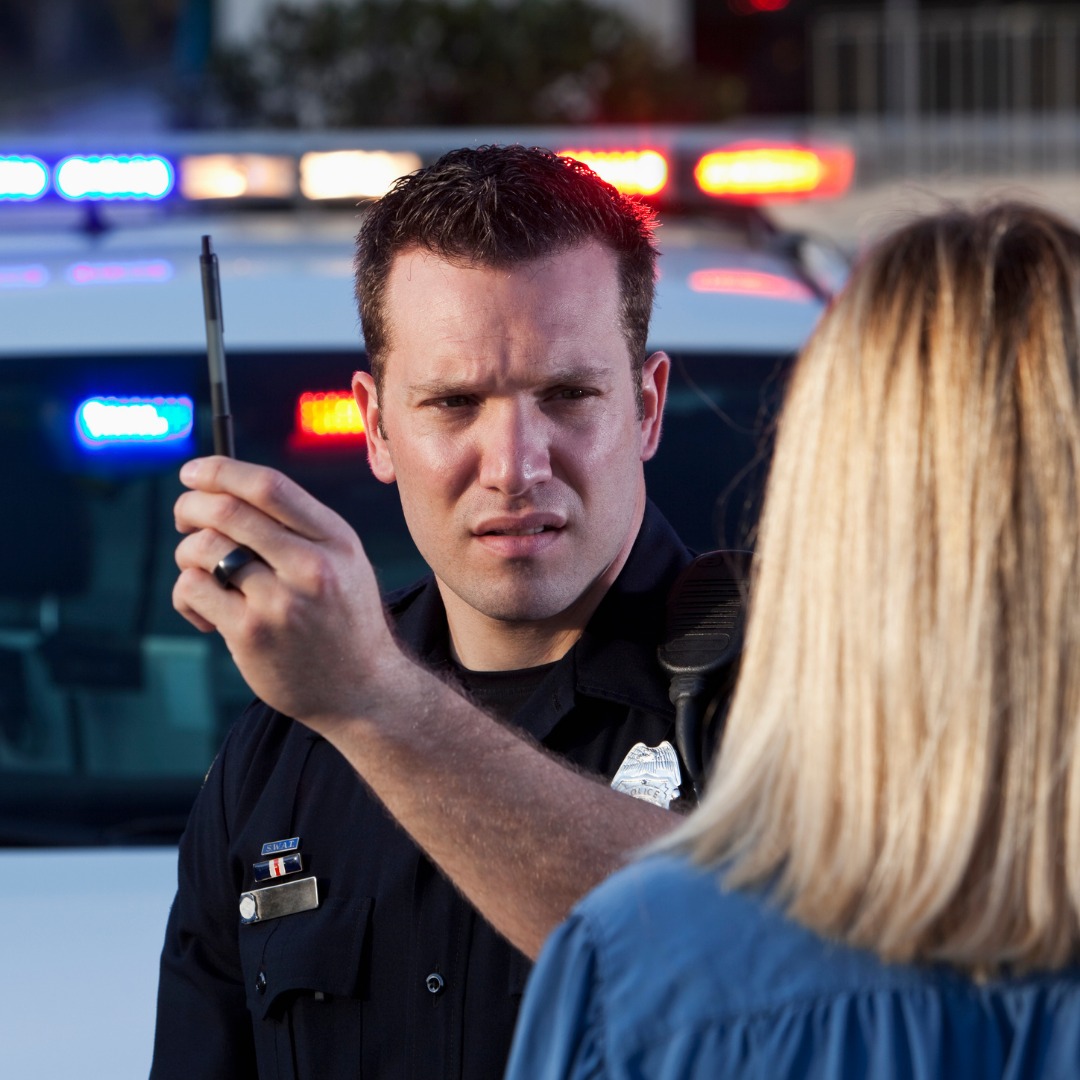
A crash involving an impaired driver can involve both a criminal case and a separate civil injury claim. The criminal case focuses on whether the driver violated Alabama law and what penalties may apply. A civil claim focuses on how the crash affected the injured person financially, physically, and emotionally.
These are two separate processes, and they often move at different speeds. Even if criminal charges are reduced, delayed, or dismissed, an injured person may still have the right to pursue compensation through a civil injury claim.
Because DUI-related crashes often involve serious injuries, significant medical expenses, and complex insurance issues, these cases may require additional investigation, evidence gathering, and coordination between multiple parties.
Possibly. A criminal conviction is not required to pursue a civil injury claim in Alabama.
Civil cases and criminal cases use different legal standards and different burdens of proof. Even if a criminal case does not result in a conviction, evidence such as police reports, witness statements, toxicology results, dash camera footage, surveillance video, or observations from responding officers may still be important in evaluating a potential injury claim.
Every situation is different, which is why it can be helpful to have the circumstances reviewed carefully from both a legal and practical perspective.
Possibly. A criminal conviction is not required to pursue a civil injury claim in Alabama.
Civil cases and criminal cases use different legal standards and different burdens of proof. Even if a criminal case does not result in a conviction, evidence such as police reports, witness statements, toxicology results, dash camera footage, surveillance video, or observations from responding officers may still be important in evaluating a potential injury claim.
Every situation is different, which is why it can be helpful to have the circumstances reviewed carefully from both a legal and practical perspective.
Not necessarily. In many situations, the civil injury process can begin before the criminal case is resolved.
There may be important evidence that needs to be preserved early, including crash reports, witness statements, surveillance footage, black box data, toxicology information, or documentation related to injuries and treatment. Waiting too long can sometimes make gathering that information more difficult.
At the same time, strategic timing considerations can vary depending on the facts of the case. Reviewing the situation early can help provide a clearer understanding of what steps may make sense moving forward.
This can happen more often than many people realize. If the at-fault driver does not carry enough insurance coverage, there may still be other options available depending on the situation.
In some cases, uninsured motorist (UM) or underinsured motorist (UIM) coverage through your own auto policy may apply. Other potentially applicable policies or sources of recovery may also need to be reviewed.
Because insurance coverage issues can become complicated quickly, it is often important to review all available policies carefully before making decisions about settlement or coverage limits.
After a DUI-related crash, your first priority should always be safety and medical attention.
If possible:
-
Call 911 and request law enforcement
-
Seek medical care as soon as possible, even if injuries seem minor initially
-
Take photographs of the vehicles, scene, injuries, and road conditions
-
Gather contact information for witnesses
-
Avoid discussing fault at the scene
-
Keep records of medical treatment, missed work, and expenses related to the crash
In the days that follow, continuing recommended treatment and documenting how the injuries affect daily life can also become important parts of an injury claim.
Under Alabama law, injury claims are generally subject to legal deadlines known as statutes of limitations. In many situations, the time limit for filing a personal injury lawsuit may be around two years from the date of the accident, though exceptions and shorter deadlines can sometimes apply depending on the circumstances.
Wrongful death claims, claims involving government entities, and cases involving minors can involve different timing considerations.
Because important evidence can disappear over time, reviewing your options sooner rather than later can help preserve information and provide a clearer understanding of your potential next steps.
Rideshare Accident (Uber & Lyft) FAQs
Your safety and health should come first after any rideshare accident involving Uber, Lyft, Waymo, or another transportation app. Seek medical attention as soon as possible, even if you initially feel okay. Injuries such as concussions, soft tissue damage, neck injuries, or back pain may not fully appear until hours or days later.
If you are physically able, it can also help to:
-
Take photographs of the vehicles, roadway conditions, visible injuries, and accident scene
-
Screenshot trip information from the rideshare app
-
Gather names and contact information for drivers and witnesses
-
Obtain the responding officer’s information and crash report details
-
Report the crash through the rideshare app so there is documentation connected to the trip
In the days following the accident, continuing recommended medical treatment and documenting how the injuries affect your daily life may also become important parts of a potential claim.
Payment for injuries after a rideshare accident often depends on which insurance policies apply at the time of the crash.
Potentially applicable coverage may include:
-
The rideshare company’s insurance policy
-
The rideshare driver’s personal auto insurance
-
Another driver’s liability insurance
-
Uninsured or underinsured motorist coverage
The available coverage can vary depending on whether the rideshare driver was:
-
Logged out of the app
-
Waiting for a ride request
-
Driving to pick up a passenger
-
Transporting a passenger during an active ride
Because rideshare accidents can involve multiple insurance policies applying in different ways and in a specific order, determining coverage is not always straightforward. Reviewing all available insurance policies and trip details is often an important part of evaluating these cases.
Yes, you should report the accident. Sending in a report about the accident through the rideshare app can help create an official record of the trip and document that the ride was active at the time of the collision.
This may become important later when determining:
-
Which insurance coverage applies
-
Whether the driver was actively working
-
The timing and location of the trip
-
The parties involved in the accident
Reporting the crash through the app is separate from any insurance claim or legal case, but it can still be an important early step in preserving information related to the incident.
Possibly. In many rideshare accident cases, injured passengers may still have valid claims even though they were not driving either vehicle involved.
Passengers are often injured in situations involving:
-
Negligent rideshare drivers
-
Distracted drivers
-
Rear-end collisions
-
Intersection crashes
-
Drunk or impaired drivers
-
Commercial vehicle accidents involving rideshare vehicles
In some situations, claims may involve multiple potentially responsible parties and several insurance policies. Because passengers generally do not control the vehicles involved, they are often in a very different position than the drivers when fault is being evaluated.
Every case depends on the specific facts and evidence surrounding the collision.
It is common for drivers and insurance companies to dispute fault after a rideshare accident, especially early in the process.
Different parties may provide conflicting accounts about:
-
How the collision occurred
-
Which driver had the right of way
-
Whether traffic laws were violated
-
The severity of injuries
-
Whether another vehicle contributed to the crash
That does not necessarily mean the situation cannot be clarified. Evidence such as crash reports, photographs, surveillance footage, witness statements, rideshare app data, vehicle damage, and electronic vehicle information can all help provide a clearer understanding of what happened.
Because rideshare cases often involve multiple insurers and corporate entities, investigations can become more complex than a standard car accident claim.
You may be contacted by one or more insurance companies after the crash, including insurers for the rideshare company, the rideshare driver, or another involved driver.
While these conversations may seem routine, insurance companies are often gathering information to evaluate liability, injuries, and potential financial exposure.
In some situations, recorded statements or early comments about injuries may later be interpreted differently than intended. Many people choose to better understand their options before giving recorded statements, signing releases, or accepting settlement offers.
Because rideshare accident claims can involve overlapping insurance coverage and complex liability questions, understanding the broader picture before making decisions can be important.
Alabama follows a contributory negligence rule, which means fault can play a major role in injury claims. Under this rule, even a small percentage of fault assigned to an injured person may potentially affect their ability to recover compensation.
However, passengers inside rideshare vehicles are very rarely considered at fault for causing the collision itself because they are generally not controlling either vehicle involved in the crash.
Questions about contributory negligence are more commonly directed toward the drivers involved rather than rideshare passengers. That said, every situation is still evaluated based on the specific facts, evidence, and circumstances surrounding the accident.
Because insurance companies may still attempt to dispute claims or minimize injuries, it can be important to carefully review the details before making assumptions about liability or available options.
Depending on the circumstances, compensation after an Uber, Lyft, or Waymo accident may include:
-
Medical expenses
-
Future medical treatment
-
Lost wages
-
Reduced future earning ability
-
Pain and suffering
-
Rehabilitation costs
-
Emotional distress
-
Permanent injury or disability
-
Property damage
The potential value of a claim depends on factors such as the severity of injuries, available insurance coverage, the evidence supporting liability, and how the injuries affect daily life and future needs.
Learn More About Our Team

Nursing Home Neglect & Abuse FAQs
Look for things like unexplained bruising, frequent falls, sudden changes in behavior, weight loss, poor hygiene, bedsores, or signs of fear around certain caregivers. Trust your instincts. If something feels wrong, it is worth paying attention to.
Responsibility in nursing home abuse or neglect cases can fall on several parties, depending on what happened. While individual staff members may play a role in the mistreatment, families are often surprised to learn that liability typically rests with the facility itself or the company that owns or manages the home. These businesses are responsible for hiring, training, staffing levels, supervision, and safety policies. They are also the ones who carry the insurance needed to cover the harm that occurs.
Our team works to understand how the facility was operated, who was involved in your loved one’s care, and whether proper standards were followed. We look at staffing practices, supervision records, incident documentation, and corporate policies to determine where the failures occurred. Our goal is to identify the source of the problem and pursue accountability from the parties who had the responsibility and the resources to keep your loved one safe.
If you suspect mistreatment, start by checking on your loved one’s immediate safety and comfort. Speak with them privately if possible and gently ask how they are feeling or whether anything has changed in their care. Document anything that concerns you, such as visible injuries, sudden behavioral shifts, unclean conditions, or unanswered call lights. Photos, dates, and brief notes can be very helpful later.
You can share your concerns with facility leadership or nursing supervisors, but you are not required to confront staff directly. If the situation feels urgent or serious, you may also consider reporting the issue to Alabama’s licensing or regulatory agencies.
When you feel ready, reach out to a personal injury team that can help you understand your options and protect your loved one’s rights. You do not have to make these decisions alone, and we are here to support you at each step.
Proving abuse or neglect often involves gathering a combination of medical records, care plans, staffing logs, witness statements, and facility documentation. We look closely at whether medications were given properly, whether your loved one was supervised as required, and whether the facility followed safety and hygiene protocols. Photos, videos, or injury patterns can also help show whether standards of care were met.
In many cases, we work with medical or caregiving experts who can explain how the harm occurred and whether it could have been prevented. Our team approaches this process with great care, focusing on the details while keeping your loved one’s dignity at the center of everything we do.
Yes. If you are worried about your loved one’s safety, you can move them to another facility or bring them home if that is an option for your family. Their well-being always comes first, and transferring them will not prevent you from pursuing a legal claim.
If you decide to move them, keep copies of medical charts, discharge papers, photos of injuries, and any notes you have taken about your concerns. These records can help show what was happening at the original facility. We can walk you through what to collect and how to document the transition so your loved one remains safe and supported.

Dog or Pet Attack FAQs
Your safety and health should come first. Seek medical attention as soon as possible, even if injuries initially seem minor. Animal bites and attacks can carry risks of infection, nerve damage, scarring, and emotional trauma that may not be fully apparent right away.
If you are able, it can also help to:
-
Take photographs of injuries, torn clothing, and the location where the incident occurred
-
Obtain the animal owner’s contact information
-
Identify any witnesses who saw what happened
-
Report the incident to local animal control or law enforcement when appropriate
-
Preserve medical records and receipts related to treatment
In the days following the incident, continuing recommended treatment and documenting how the injuries affect daily life may also become important.
Responsibility depends on the specific circumstances surrounding the incident.
In some situations, liability may involve:
-
A dog owner
-
A person responsible for controlling or handling the animal
-
A property owner
-
A landlord or business, depending on the circumstances
These cases can involve questions about whether reasonable steps were taken to prevent the attack, whether leash laws or local ordinances were followed, whether the animal had shown prior aggressive behavior, and whether the owner knew or should have known about potential risks.
Every situation is different, and determining responsibility often requires a careful review of the facts and available evidence.
In many situations, yes, reporting a dog bite or animal attack can be important for both health and safety reasons.
A report may help:
-
Document what happened
-
Identify vaccination information
-
Create an official record of the incident
-
Assist with quarantine or safety procedures if necessary
Medical providers may also make reports in certain situations. Even when someone is unsure whether they want to pursue a claim, documenting the incident early can help preserve important information.
A prior bite history is not always required for legal issues to arise after an attack.
In Alabama, cases may involve questions about whether an owner knew or should have known the animal could pose a risk, whether the animal displayed prior aggressive tendencies, and whether reasonable precautions were taken to prevent harm.
The outcome of any case depends heavily on the facts involved, including the behavior of the animal, the actions of everyone involved, the location of the incident, and the evidence available.
Alabama follows a contributory negligence rule, which means the circumstances surrounding an incident can become extremely important.
Insurance companies or opposing parties may argue that an injured person contributed to the incident in some way. These situations are often fact-specific and may involve questions about warnings, trespassing, provoking an animal, supervision of children, or how the incident occurred.
That does not automatically determine whether someone does or does not have a valid claim. A full review of the facts, witness statements, medical records, photographs, and other available evidence is often necessary.
In some situations, homeowners or renters insurance policies may provide coverage for injuries caused by dog bites or animal attacks. However, coverage can vary significantly depending on:
-
The insurance policy involved
-
The type of animal
-
Prior incidents or exclusions
-
Where the attack occurred
-
Whether the owner disclosed the animal to the insurer
Some policies exclude certain breeds or specific situations, while others may provide broader coverage. Because insurance issues can quickly become complicated, reviewing all potentially available coverage can be important.
Children are often especially vulnerable in dog bite and animal attack incidents, and injuries involving children can sometimes be severe both physically and emotionally.
When evaluating these situations, factors such as the child’s age, ability to understand risk, level of supervision, and the specific behavior of the animal may all become important.
Because injuries to children can involve long-term medical treatment, scarring, emotional trauma, or future care needs, these cases are often reviewed very carefully by all parties.
Depending on the circumstances, compensation may include:
-
Medical expenses
-
Future treatment costs
-
Plastic surgery or scar revision treatment
-
Lost wages
-
Pain and suffering
-
Emotional distress or trauma
-
Permanent scarring or disfigurement
-
Long-term rehabilitation needs
The potential value of a claim depends on many factors, including the severity of injuries, available insurance coverage, the impact on daily life, and the evidence supporting the claim.
Still Have Questions About Your Situation?
If you are unsure how your families situation may be evaluated, you are not alone. We are here to help you talk through what happened, answer your questions, and help you understand what your next step could look like.
Give us a call at 678-341-5117 or let us know when it's a good time to call you.